Your phone is alive!
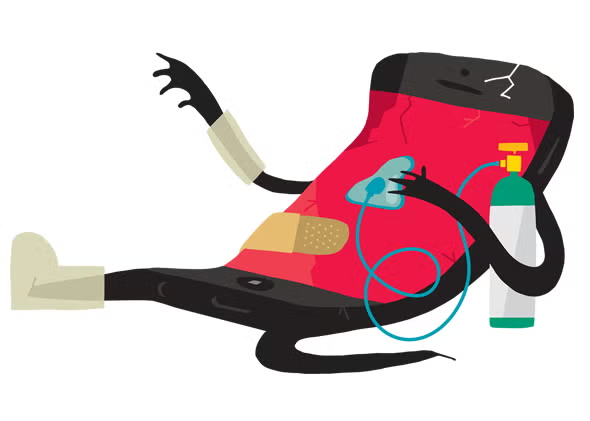
You wake up and reach for a familiar rectangle of glass and metal. The movement is automatic; your hand finds the place where it often lives, and the first thought is rarely practical — it is an almost reflexive question: “Where is my phone?” That question masks a deeper reality: the device is not merely an object you possess. It behaves like a living system that listens, learns and, above all, consumes attention. Framing it as “alive” is a metaphor — but an accurate one. Phones, and the software that runs on them, are designed to sense your behavioral rhythms, to predict your needs and to reward you intermittently. In doing so they trade on the human brain’s most vulnerable resource: focused attention.
The mechanism that makes a phone feel alive is not mystical. It is behavioral engineering. Modern apps and platforms are built around the neuroscience of reward. Every notification, every like, every new piece of content is a micro-stimulus. The brain responds to these micro-stimuli by releasing small amounts of dopamine — a neurotransmitter closely tied to learning about rewards and to the anticipation of reward. Importantly, dopamine spikes most powerfully when rewards are unpredictable. This is the principle behind variable-reward schedules, the same pattern that maintains gambling behavior. Social feeds, infinite scroll, and push notifications are designed to be unpredictable. They present a potential reward with each scroll, and the uncertainty keeps users engaged longer than fixed, predictable rewards would.
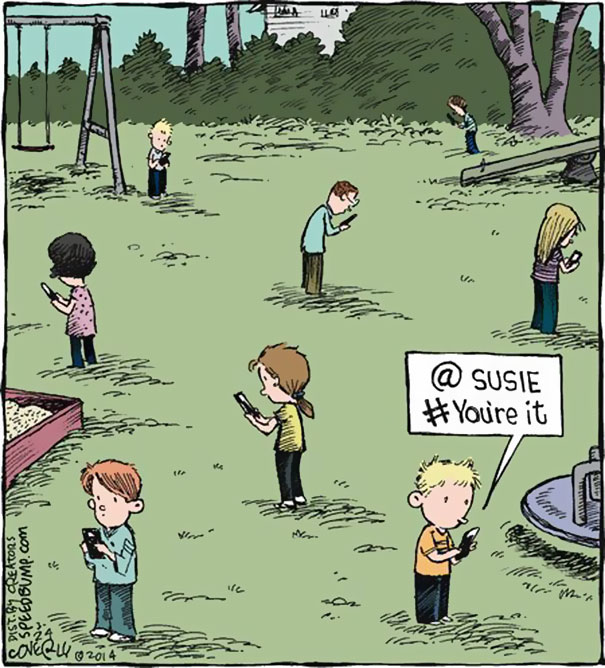
This physiological loop has measurable cognitive consequences. Constant partial attention fragments mental resources across tasks. The cost of switching attention is not merely lost seconds; it accumulates into a measurable loss of deep work capacity. Cognitive scientists call this “attention residue”: when you switch from one task to another, a portion of your cognitive capacity remains tied to the previous task, reducing your effectiveness on the new one. Frequent phone checks create a persistent stream of context switches. Over time this increases subjective mental fatigue, lowers measured productivity, and impairs creative and analytical thinking. Decision fatigue follows: each moment you spend deciding whether to open an app or respond to a notification depletes the limited reservoir of willpower you need for meaningful goals.
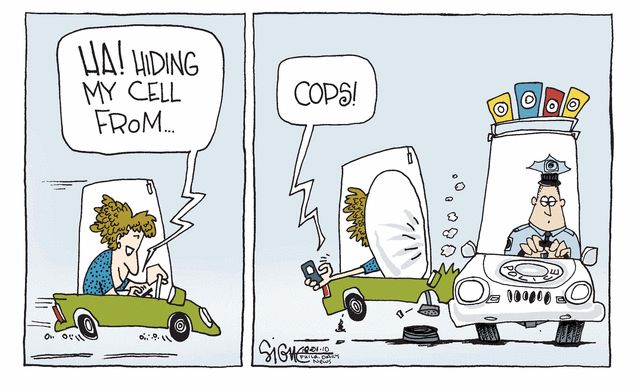
Beyond cognitive mechanics, there are behavioral and cultural patterns that sustain the problem. Phones scaffold constant availability and social monitoring. They give immediate feedback on social status (likes, comments), allow endless entertainment with minimal friction, and enable escape from uncomfortable feelings — boredom, anxiety, loneliness. When the phone becomes the default coping mechanism, it shapes ideology: the faster, newer, louder stimuli become valued over long-term growth and deliberative practice. The device nudges a mindset that prioritizes immediacy and surface-level engagement over depth and delayed gratification.
Yet the same device that hijacks attention is also a powerful instrument for growth if it is used intentionally. Reversing the dynamic is not about banning phones or denying technology; it is about reorienting design and routine to serve personal aims. Practical, evidence-informed steps can tilt the balance back.
First, reduce the phone’s ability to capture attention reflexively. Turn off nonessential notifications and group the essential ones into scheduled delivery windows. Use built-in focus modes or third-party apps to block distracting apps during designated “deep work” periods. Simple interface changes — placing distracting apps inside folders, removing social apps from the home screen, or enabling grayscale — reduce the sensory pull that triggers automatic checking. These are low-friction changes that alter the device’s default affordances.
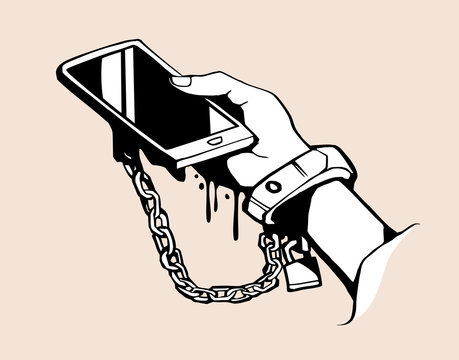
Second, adopt explicit routines for phone use. Batch communication: allocate short, scheduled windows for email and social media rather than reacting to each alert. Use time-boxing techniques such as the Pomodoro method to create rhythms of concentrated work and short, intentional breaks. Combine this with single-tasking discipline: commit to finishing a workblock before you check the phone. The goal is to convert interruptions into scheduled appointments.
Third, repurpose the phone as a productivity tool rather than an entertainment treadmill. Replace mindless apps with growth-oriented ones: habit trackers, spaced-repetition learning, note-taking tools, calendar planners, and goal reminders. Use automation to delegate low-value decisions (e.g., auto-scheduling “do not disturb” during sleep hours) so your willpower is reserved for meaningful choices. Leverage the device’s strengths — connectivity, information access, organizational tools — while constraining its capacity for distraction.
Fourth, strengthen the psychological architecture that supports sustained focus. Cultivate practices that increase baseline attention: sleep hygiene, exercise, mindfulness meditation and regular periods of distraction-free reading. These practices enhance executive control, making it easier to resist frequent checking. Socially, set expectations with peers and collaborators about response windows; communicate that delayed responses are intentional and respectful of deep work.

Fifth, measure and iterate. Use screen time analytics not as a guilt trip, but as a feedback mechanism. Identify patterns (times of day, emotional states) when you are most vulnerable to mindless use, and design specific countermeasures. Small, measurable wins—reducing daily checks by 20%, consolidating social media use to 30 minutes a day—create momentum.
There is also an ideological shift implicit in reclaiming attention. The phone is a mirror of priorities. If we feed it distraction, it reinforces a life of low-bandwidth experiences: fragmented work, shallow social connection, and the illusion of busyness. If we feed it intention, it amplifies our capacity to learn, create and connect meaningfully. That shift requires honesty: recognize the extent to which automatic behaviors are shaping choices, and treat the device as a collaborator that must be trained.
Finally, the mystery remains. Even as we apply scientific strategies and disciplined routines, there is a psychological sensation that is hard to dismiss: the phone seems alive. That sensation is the interface between human meaning-making and sophisticated behavioral design. It is the feeling that something outside us is calling, a whisper of possibility that can either distract or inspire. This duality is the device’s magic. It can be a siren or a lighthouse — the difference is the intention behind each interaction.
So the next time the thought occurs, “Where is my phone?” pause and invert the question: Where am I? In what mode of being? In that pause lies agency. The phone will always be ready to listen; the crucial choice is whether you are listening back with purpose.
By Harion Ravens