Burning Man Festival: What Would You Do If No One Was Watching?
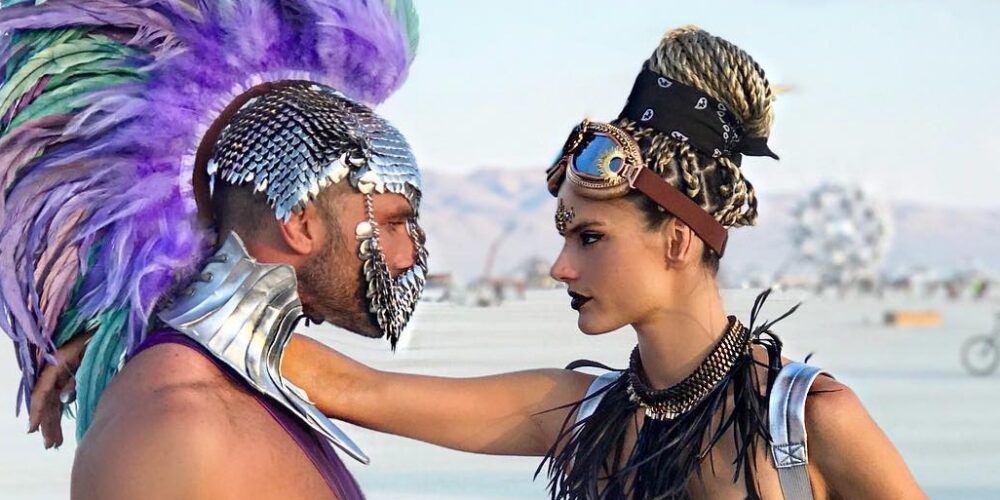
Imagine a city where nothing is bought, nothing is sold, and every interaction is a gift. A stranger might hand you a cup of chai at sunrise, fix your bike without asking your name, or invite you to a pop-up opera happening on the back of a moving art car. These moments aren’t staged. They happen because people are encouraged to show up as contributors rather than consumers. There is no audience here. Everyone is expected to participate in shaping the city, whether by building art, cooking meals for strangers, hosting conversations, or simply being present with curiosity and care.
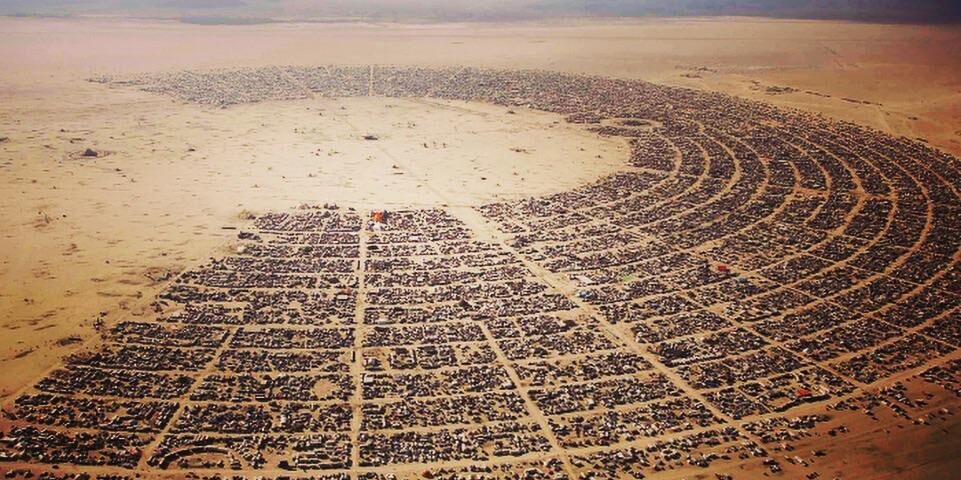
Burning Man is one of those rare human experiments that refuses to fit neatly into a definition. It isn’t a festival in the conventional sense, and it isn’t a retreat or a protest either. Once a year, in Nevada’s Black Rock Desert—one of the harshest, flattest, most inhospitable landscapes in North America—a temporary city called Black Rock City is built from nothing and dismantled back into nothing. For about a week, tens of thousands of people live there with no shops, no ads, no sponsors, and almost no money. Then it disappears so completely that the desert looks untouched, as if the city never existed at all.



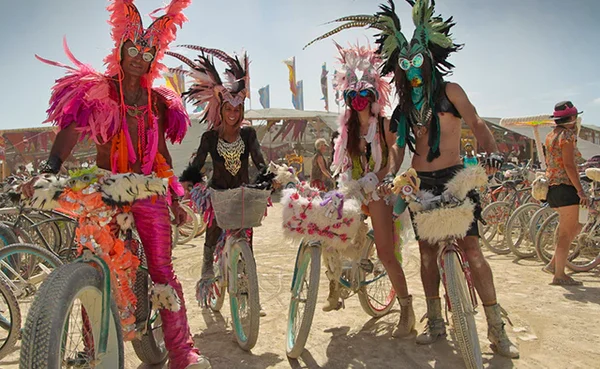
What draws people isn’t comfort or convenience. Temperatures swing from blazing heat during the day to biting cold at night. White alkaline dust gets into lungs, phones, food, and emotions. There’s no shade unless someone built it. Cell service is almost nonexistent. You bring everything you need to survive—water, food, shelter—and you take everything back out with you. The principle of “Leave No Trace” is not symbolic; it’s enforced culturally and practically. Every feather, sequin, and scrap of wood matters. In a world built on convenience and disposability, Burning Man is deliberately inconvenient.
Despite how it looks online, Burning Man didn’t begin as a desert spectacle. It started in 1986 on a San Francisco beach, where a small group of friends burned a wooden figure as an act of spontaneous self-expression. Over time, the gathering grew, moved to the desert, and evolved into something much more intentional. Today it’s guided by ten principles—not rules, but shared values—like radical inclusion, communal effort, civic responsibility, and decommodification. The absence of money isn’t a gimmick. Aside from ice and coffee sold to support local causes, there are no transactions. If you want something, you either bring it, make it, or hope someone gifts it to you.
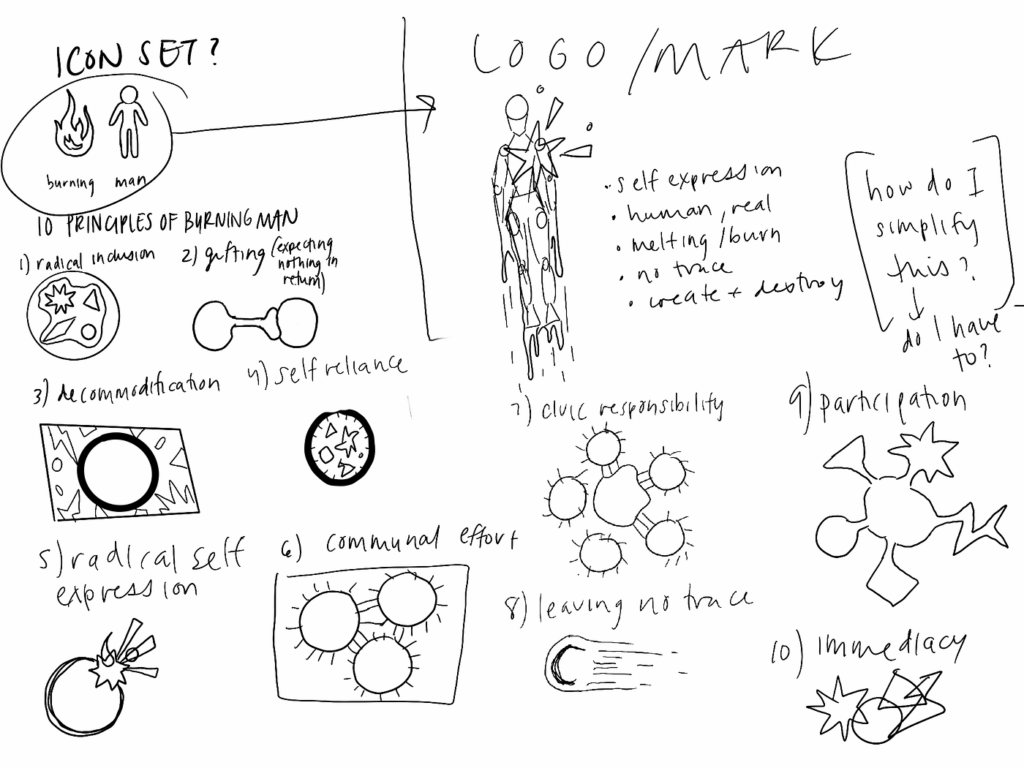
Somewhere between the dust storms and the late-night conversations, Burning Man quietly poses a question most of modern life never allows us to ask: What would you do if no one was watching? Without social media validation, without money, without applause or algorithms, people are left alone with their choices. Some build art. Some serve strangers. Some sit in silence. The desert doesn’t reward performance—it reflects intention.
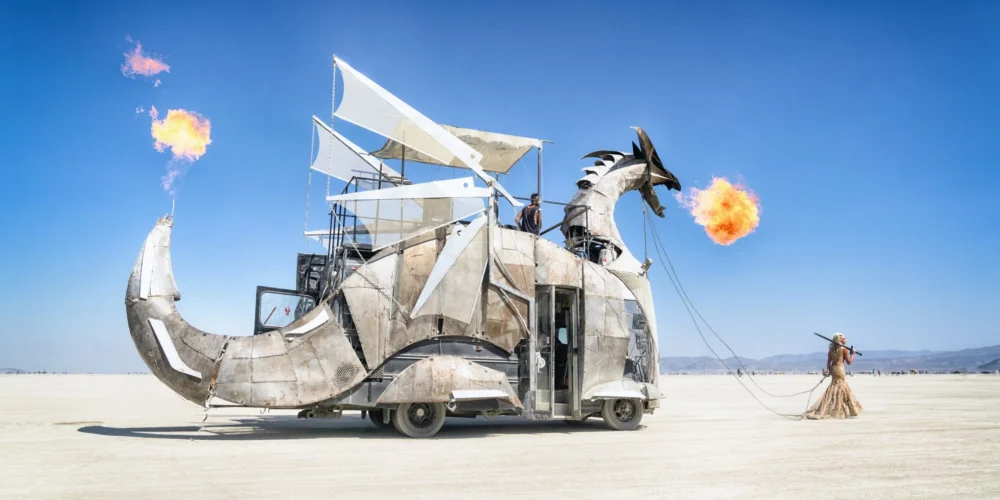
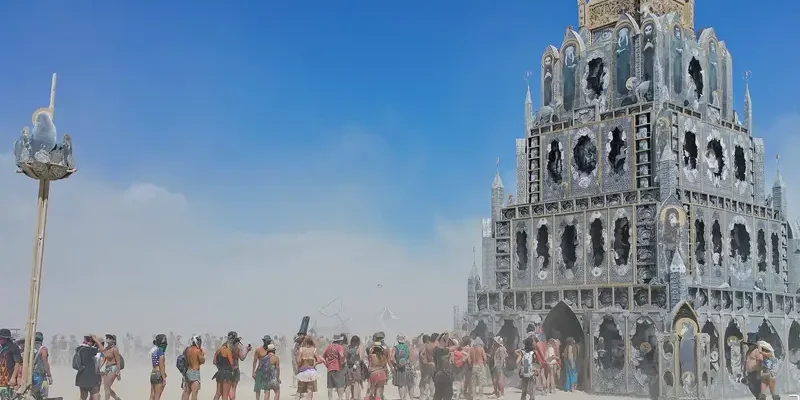
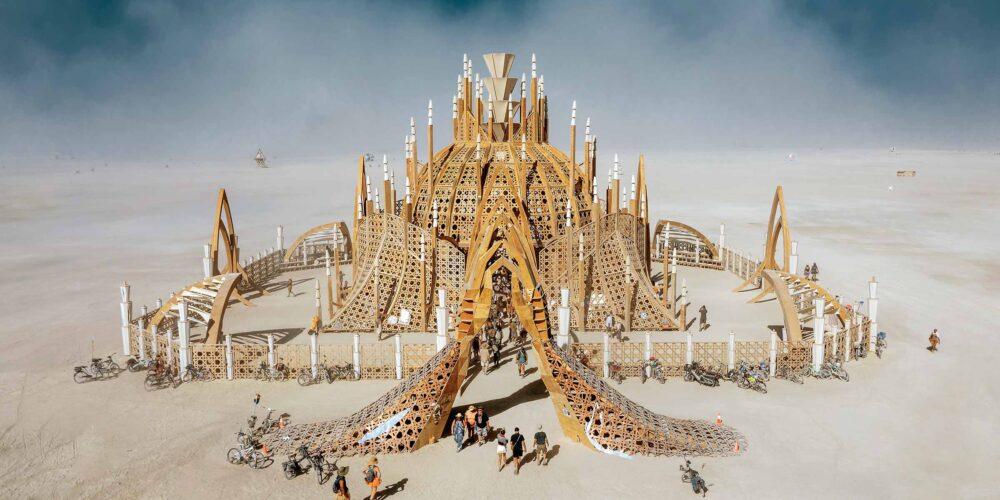
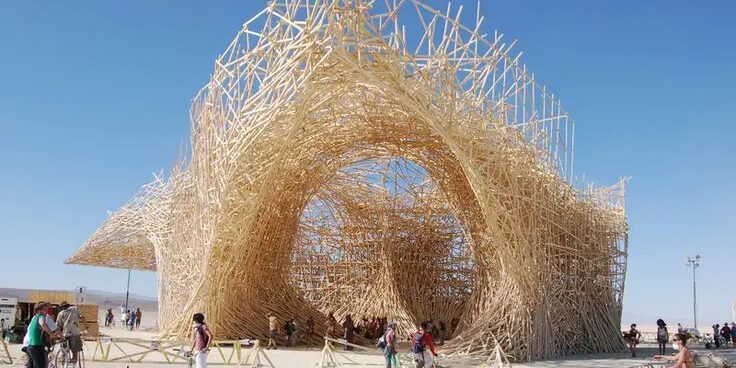
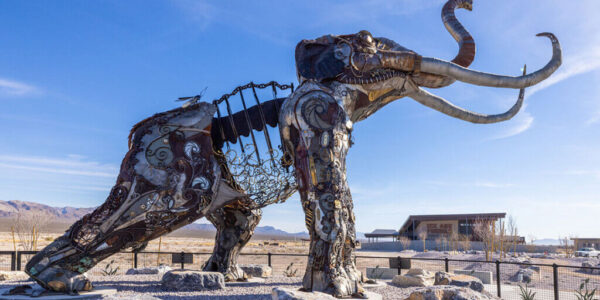
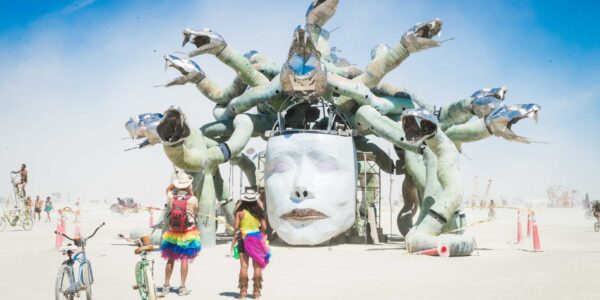
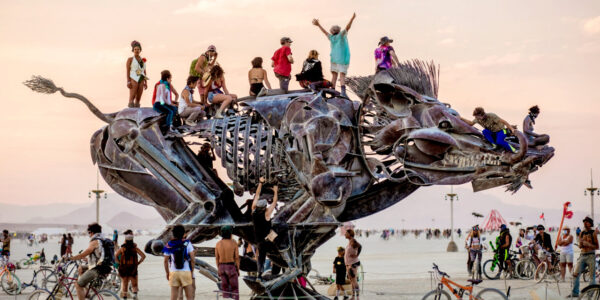
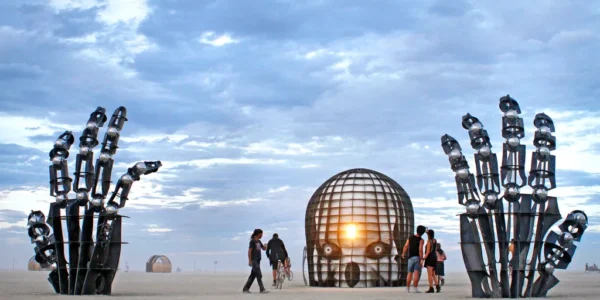
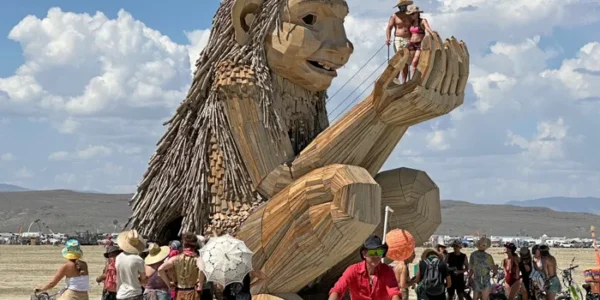
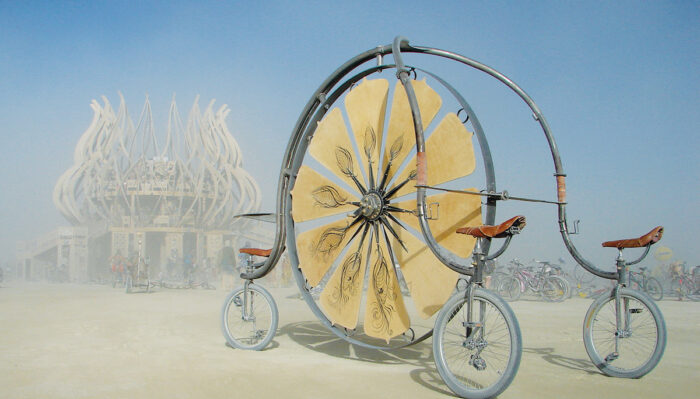
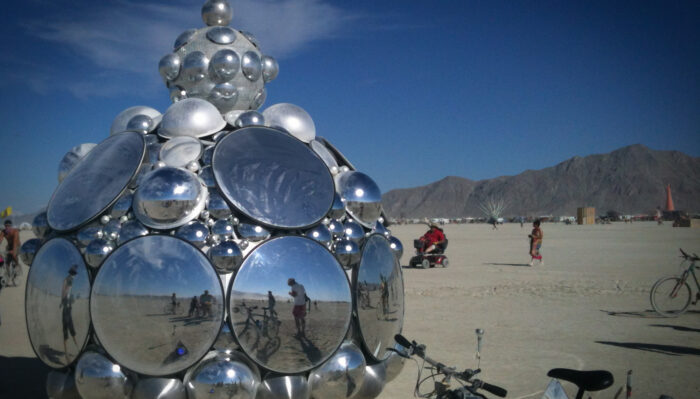
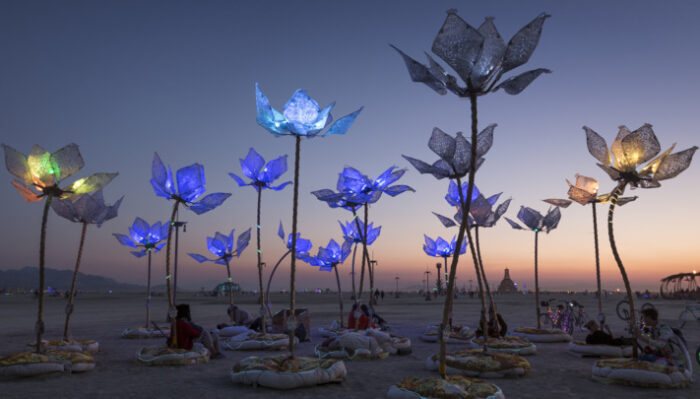
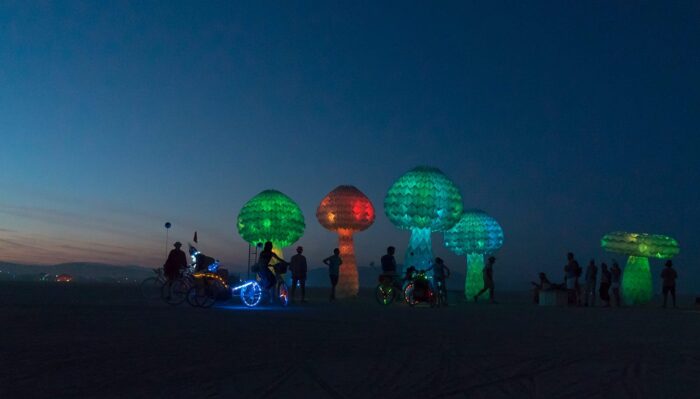
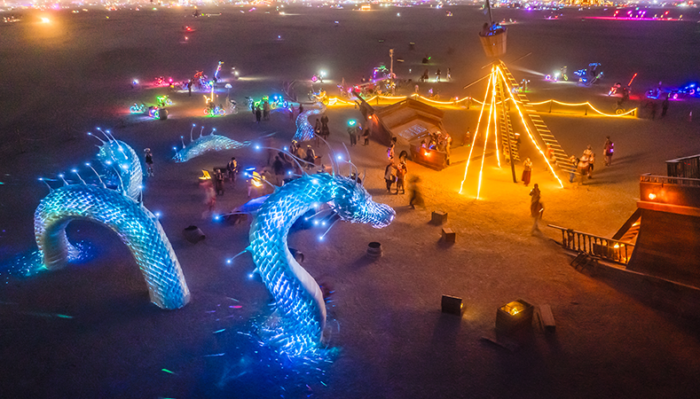
The art itself is astonishing, not just in scale but in intention. Massive installations rise from the desert—cathedrals made of wood, kinetic sculptures taller than buildings, glowing creatures that move across the playa at night. Many of these works take years to design and collective effort to build, yet most are never meant to last. Some are burned. Others are dismantled. A few are gifted to the world beyond the desert. The temporary nature of it all changes how people experience beauty. You don’t postpone wonder. You don’t say “I’ll come back later.” You stand there, because later might not exist.
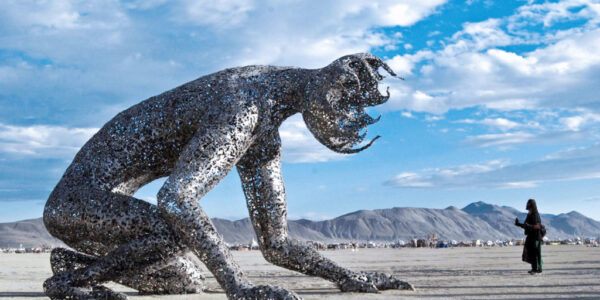
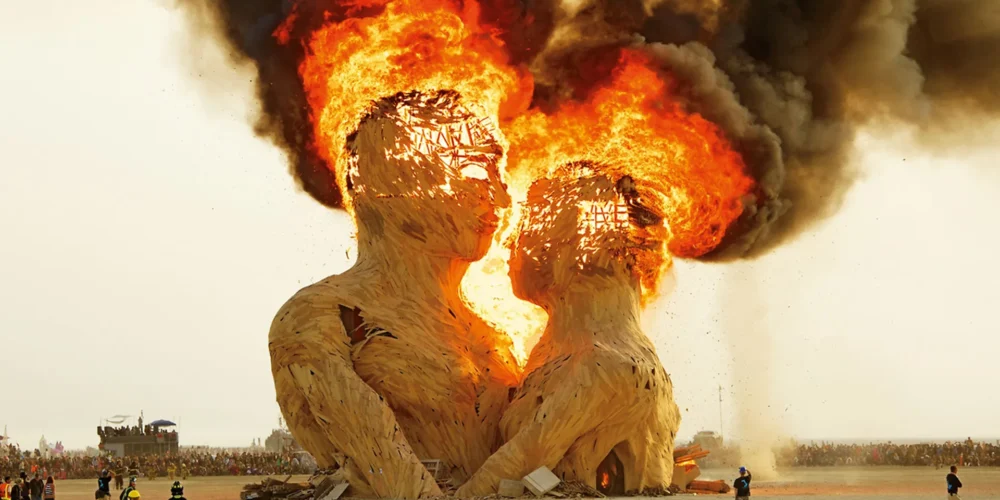
One of the most powerful spaces at Burning Man is the Temple, rebuilt every year with a new design. Unlike the louder, more celebratory parts of the city, the Temple is quiet. People leave photographs, letters, ashes, and words they never said out loud—grief for parents, lovers, friendships, versions of themselves. When the Temple burns near the end of the week, tens of thousands sit in silence. No cheering. No music. Just fire, loss, and release shared among strangers. For many, this becomes the emotional core of the experience, far more than the burning of the Man itself.
Burning the Man, which happens first, feels almost theatrical by comparison. It’s loud, fiery, communal, and joyful. The Temple burn is introspective and raw. Together, they reflect something essential about the event: it holds both celebration and vulnerability without trying to resolve them into a neat message. Burning Man doesn’t tell you what to believe. It gives you conditions intense enough that something honest tends to surface.
What surprises many first-timers is how structured the chaos actually is. Black Rock City has streets, emergency services, medical tents, volunteer-run ranger teams, and strict safety protocols. Radical freedom exists alongside real responsibility. You’re free to express yourself, but not to harm others. You’re encouraged to push boundaries, but expected to respect consent. The city works not because it’s lawless, but because people agree to take care of one another in the absence of traditional systems.

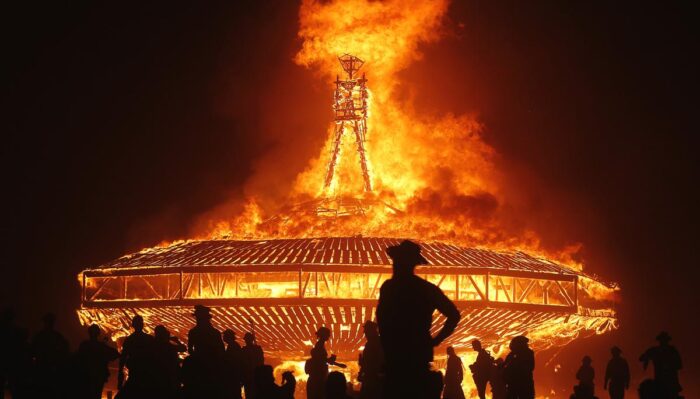
When the week ends, participants spend days cleaning the desert inch by inch. It’s not glamorous work, but it’s essential. The idea is simple and demanding: leave the place better than you found it. Then everyone goes home—to jobs, families, cities, routines. What lingers isn’t the costumes or the photos. It’s the unsettling realization that a different way of living, even briefly, is possible.
Burning Man doesn’t promise transformation, but it often delivers perspective. It strips away convenience and replaces it with connection. It removes advertising and replaces it with attention. It erases permanence and invites presence. For some, it’s art. For others, it’s community. For many, it’s a mirror held up to modern life, asking quietly but persistently: if this can exist for one week in the desert, what parts of it might be carried back into the real world?
And perhaps that’s why the question doesn’t stay in the desert. Long after the city disappears, it follows people home, resurfacing in ordinary moments: What would you do if no one was watching?
By Harion Ravens