A Fairytale Journey of Somatic Transformation
Somatic therapy is a body-centered therapeutic approach that emphasizes the profound connection between the mind and the body. Unlike traditional talk therapy, which focuses primarily on verbal expression and cognitive processing, somatic therapy recognizes that emotional stress and trauma are often stored in the body, manifesting as muscle tension, shallow breathing, tightness in the chest, a knotted stomach, or a pervasive sense of restlessness. By addressing these physical patterns, somatic therapy offers a path to emotional release and holistic healing that feels both tangible and transformative.
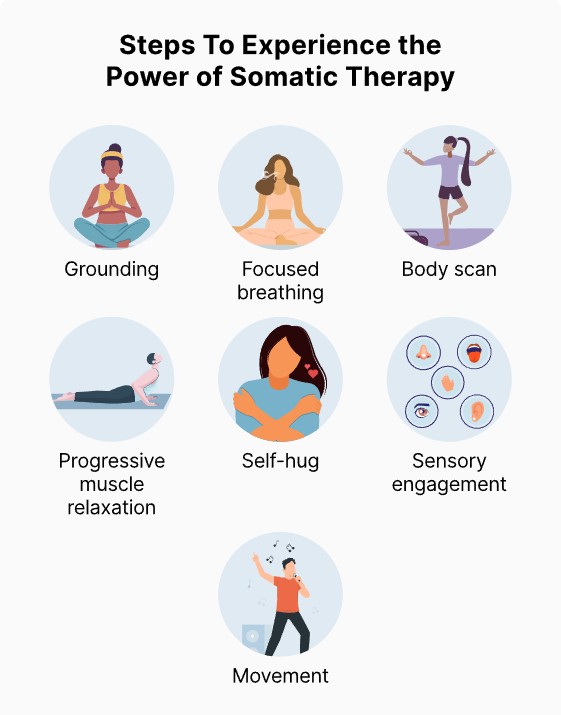
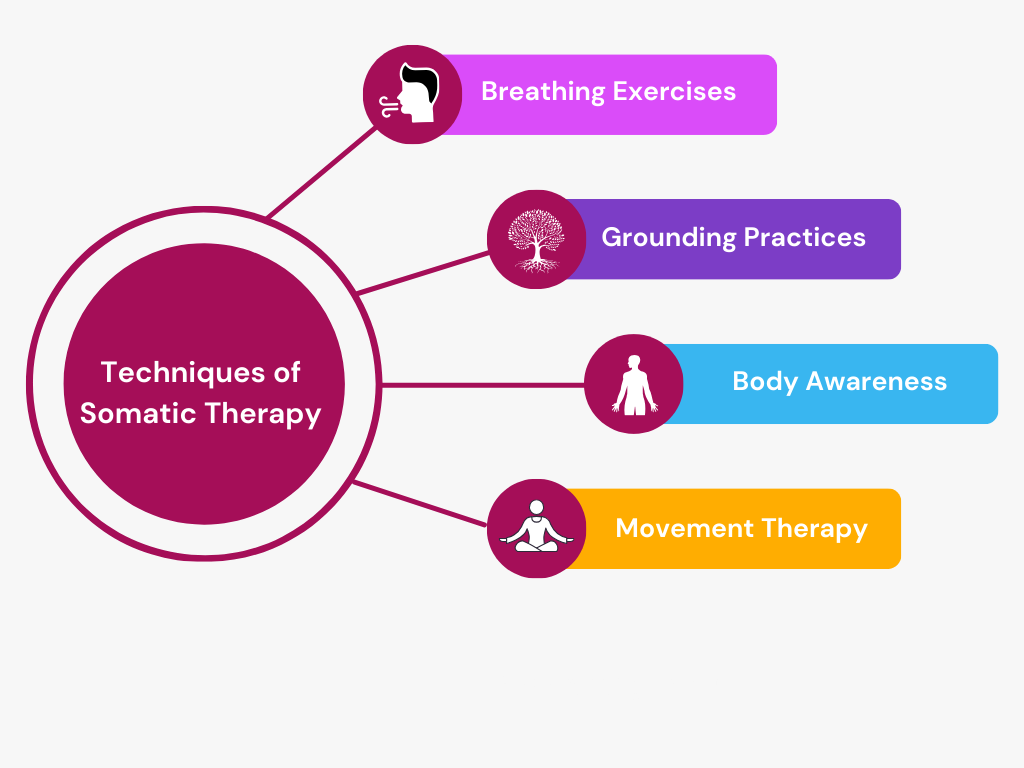
At its core, somatic therapy operates on a simple yet powerful principle: to heal the mind, we must work through the body. The practice encourages individuals to develop heightened bodily awareness and to notice sensations, movements, and postures that may reflect underlying emotional states. Techniques such as deep, conscious breathing, grounding exercises, mindful movement, and therapist-guided touch or pressure work help release stored tension and recalibrate the nervous system. For example, subtle practices like shaking, stretching, or adjusting posture can facilitate the discharge of trauma that has been physically encoded over years, making it accessible for conscious processing and emotional integration.
Scientific research supports the concept that our nervous system plays a critical role in emotional regulation and trauma processing. Polyvagal Theory, developed by Dr. Stephen Porges, provides a neurological framework for understanding how our autonomic nervous system shifts between states of safety, social engagement, and defense. Somatic therapies often incorporate Polyvagal insights, enabling practitioners to work with the body’s physiological cues to help clients move out of chronic stress, hyperarousal, or shutdown states. Approaches such as Somatic Experiencing, Sensorimotor Psychotherapy, EMDR with somatic components, trauma-informed yoga, and breathwork integrate this understanding, allowing clients to restore balance to their nervous system while fostering emotional resilience.
One of the most well‑known controlled studies of Somatic Experiencing (SE) with 63 participants found that 15 weekly SE sessions led to significant improvements in PTSD PubMed+2Somatic Experiencing® International+2. The technique centered on tracking bodily sensations, gentle resourcing, and titration — helping clients move between activation and calm to safely release stored tension. In another randomized clinical trial, researchers combined 6–12 sessions of Somatic Experiencing with standard physiotherapy for people suffering from chronic low-back pain and comorbid PTSD. PubMed+2TAU CRIS+2 The SE work here used body-focused trauma techniques — tracking tension, working with movement, and helping patients reconnect with safe sensations. The results showed that adding SE significantly reduced PTSD symptoms compared to physiotherapy alone, and also lowered fear of movement (kinesiophobia), a common barrier in chronic pain. PubMed+1 While both groups improved in disability and pain over time, the SE component added a meaningful boost in trauma‑related symptoms.
A more exploratory but fascinating case involves embodied bioenergetic analysis integrating olfactory memory (smell) with somatic work. In this approach, therapists pay attention to how traumatic memories are encoded in bodily sensations and link them with sensory triggers — like specific odors — that evoke past experiences. bioenergetic-analysis.com Practitioners use movement, breath, and bioenergetic postures (e.g., grounding postures, tension-release) to help clients safely access and process these embodied memories. The reported benefits include improved emotional regulation, reduced dissociation, and a deeper processing of trauma that had previously been “locked” in the body.
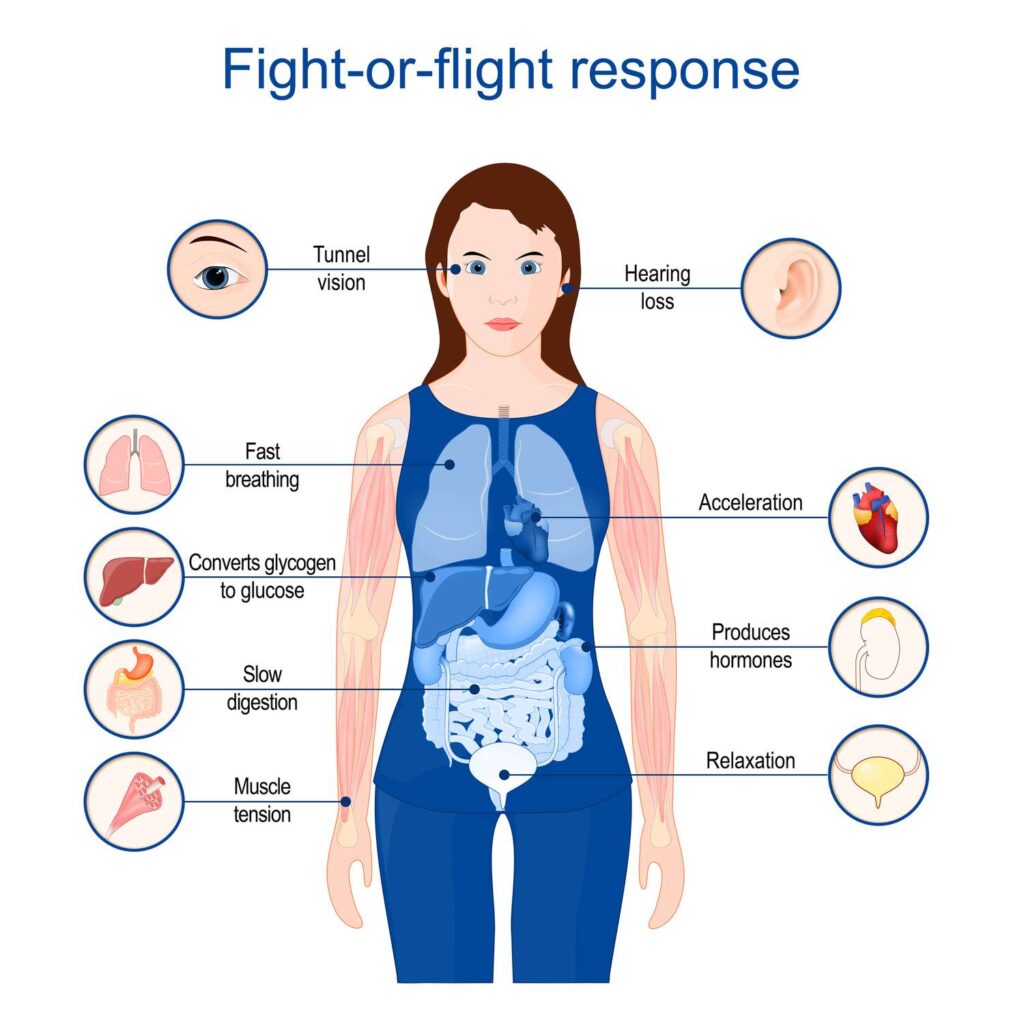
The benefits of somatic therapy are wide-ranging. Individuals often report reductions in anxiety, stress, burnout, depression, and symptoms of trauma or PTSD. Because the approach directly engages the body’s stored emotional experiences, it can also alleviate physical discomfort associated with chronic tension, such as headaches, muscle pain, and digestive disturbances. For people who have struggled with traditional talk therapy alone, somatic therapy provides a complementary pathway to access and release deeply rooted patterns that may otherwise remain inaccessible.
At Harion Ravens Wellness Center, we offer transformative practices rooted in somatic therapy, including Kundalini Yoga, Transcendental Meditation, Varma Points Nerve Super Stimulation, Yogic Arts of the Cosmos: Movement of Consciousness, and our signature Sevenfold Serpent Technique (Sapta Sarpa Kriya), which combines rhythmic breathwork, mindful movement, aromatherapy, sound therapy through mantra chanting, focused awareness, and subtle energy activation to release stored tension, harmonize the body’s natural flow, and support emotional, mental, and physical well-being. These practices are especially beneficial for reducing stress, alleviating chronic tension, and supporting conditions such as chronic stress, generalized anxiety disorder, panic disorder, depression (mild to moderate), burnout, chronic fatigue syndrome, insomnia, sleep disorders, chronic pain, lower back pain, neck pain, shoulder pain, sciatica, arthritis (osteoarthritis, rheumatoid arthritis, psoriatic arthritis), fibromyalgia, migraine, chronic headaches, hypertension, high blood pressure, type 2 diabetes, metabolic syndrome, obesity, weight disorders, irritable bowel syndrome, chronic constipation, GERD, digestive disorders, autoimmune stress disorders, PTSD, trauma-related somatic dysregulation, chronic muscle tension, poor posture disorders, cardiovascular stress disorders, stress-triggered asthma, menstrual pain, PMS, PMDD, perimenopause symptoms, chronic pelvic floor dysfunction, TMJ disorders, jaw tension, chronic fatigue from desk jobs, chronic fatigue, and anxiety, empowering you to integrate somatic healing into your daily life. Contact us to learn how to experience these practices and transform your mind-body balance.
In essence, somatic therapy bridges the gap between the psychological and physiological, offering a research-informed, scientifically grounded method for achieving emotional well-being. By tuning into bodily sensations and responding through structured, mindful practices, individuals can retrain their nervous system, release trauma, and cultivate a more embodied sense of presence and calm. For anyone seeking a method that honors the intricate dialogue between mind and body, somatic therapy represents both a compelling and evidence-based avenue for healing.
By Harion Ravens