Modern Hypnotherapy in Ancient Scriptures: A Bridge Between Science and Wisdom
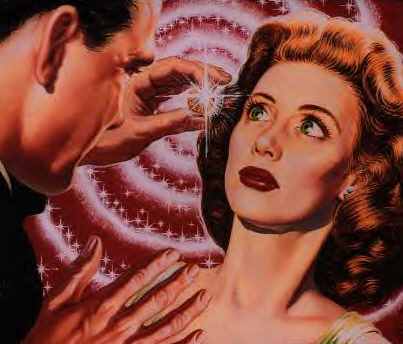
Long before psychology had a name, before clinics, diagnoses, and brain scans, ancient civilizations spoke of an unseen force shaping human life. They called it chitta—the subtle field of mind where memory, habit, fear, desire, and destiny quietly take root. In the Yoga Sutras, it is said that life is governed not by conscious choice alone, but by samskaras—deep impressions formed by experience, repeating themselves until brought into awareness. The Upanishads whispered of hidden states beyond waking and dreaming, where identity loosens and truth reveals itself. Even the Bhagavad Gita warned that the same mind capable of liberation can also become the greatest bondage when ruled by habit.
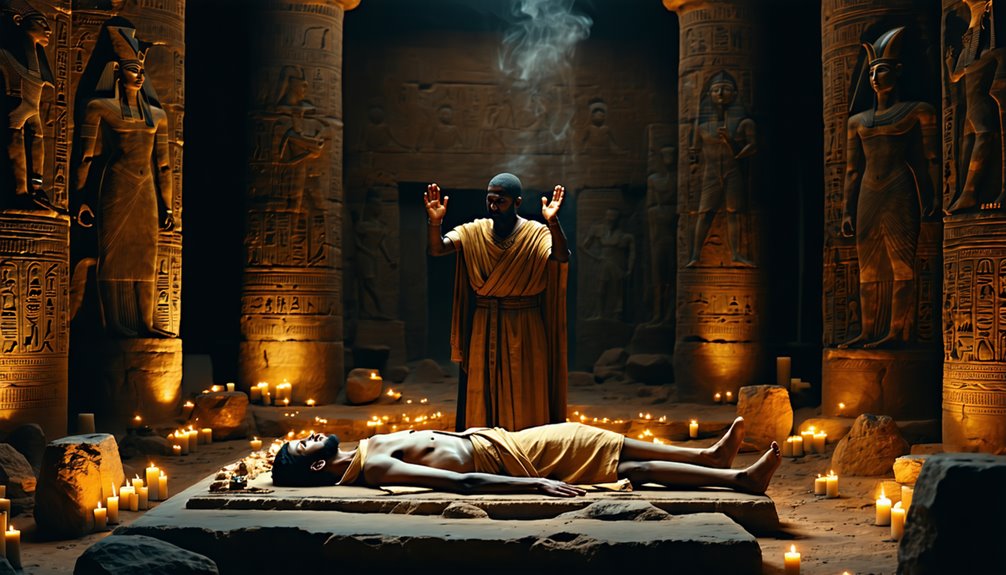
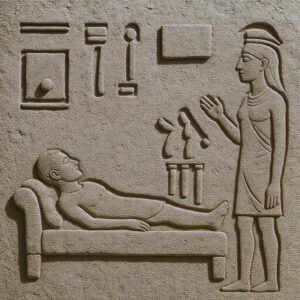
Ancient Egyptian healing texts such as the Ebers Papyrus (c. 1550 BCE) include instructions that resemble verbal suggestion and healing touch — for example, directives like “place your hand on him, to quiet pain, and speak that the pain shall go away” — which modern scholars interpret as early forms of suggestion‑based therapy akin to hypnotic induction. This was part of ritualized healing in “sleep temples” where priests used chants, sensory restriction, and dream incubation to induce trance‑like states for therapeutic insight.
This was not poetry detached from reality. It was born from observing human suffering.
There was a man who spent most of his adult life trapped between alcohol and cigarettes. He knew the risks. Doctors had shown him the scans—heart damage, early lung cancer. He had tried rehabilitation, counseling, medications, promises to family, fear-based motivation. Nothing worked. Each morning, his hand reached for a cigarette before his conscious mind had a chance to object. His body obeyed something older than willpower. Knowledge failed him. Fear failed him. Logic failed him. What finally changed was not another warning, but a single hypnotherapy session with the right practitioner. There was no forcing, no moral lecture, no battle against craving. Instead, he was guided inward—into the very layer the ancient texts spoke of, where samskaras live. In that state of focused awareness, the habit was not judged or resisted. It was understood. The emotional root beneath the addiction surfaced, was witnessed without struggle, and released. The compulsion lost its grip. Not overnight miracles, not blind belief—just clarity. From that day forward, the craving no longer commanded him.
Long before clinical psychology, sick individuals visited temples dedicated to healing deities like Imhotep, undergoing purification rites, chanting, and ritual rest in darkened chambers. These temple sleep (incubation) practices intentionally guided the patient into suggestive, dream-oriented states where priests interpreted visions and provided therapeutic guidance — a proto-hypnotic framework rooted in ritual and expectation rather than force.
Ancient wisdom would have said the same thing in different language: when ignorance dissolves, bondage weakens.
Modern hypnotherapy, when stripped of stage theatrics and superstition, works precisely in this inner territory. It guides the mind into a state of relaxed, concentrated awareness—remarkably similar to what yogic science called pratyahara, the withdrawal of attention from the outer senses, followed by dharana, sustained inner focus. In such states, the surface noise of the mind quiets, allowing deeply embedded impressions to rise and reorganize. No commands. No force. Just awareness directed with intention.
Long before the term hypnosis existed, ancient Indian traditions described altered states of awareness in texts such as the Vedas and later the Upanishads. Practices like dhyāna (deep meditation), pratyahara (withdrawal of the senses), and dharana (sustained attention) were techniques for turning awareness inward — states of consciousness that closely parallel what modern hypnotherapy cultivates in clients. Early Sanskrit texts also describe experiences akin to a “waking dream,” a liminal state between waking and sleep where suggestion and insight can arise naturally. The Mandukya Upanishad describes turiya, the “fourth state” beyond waking, dreaming, and deep sleep — a conceptual parallel to trance states used in therapy.
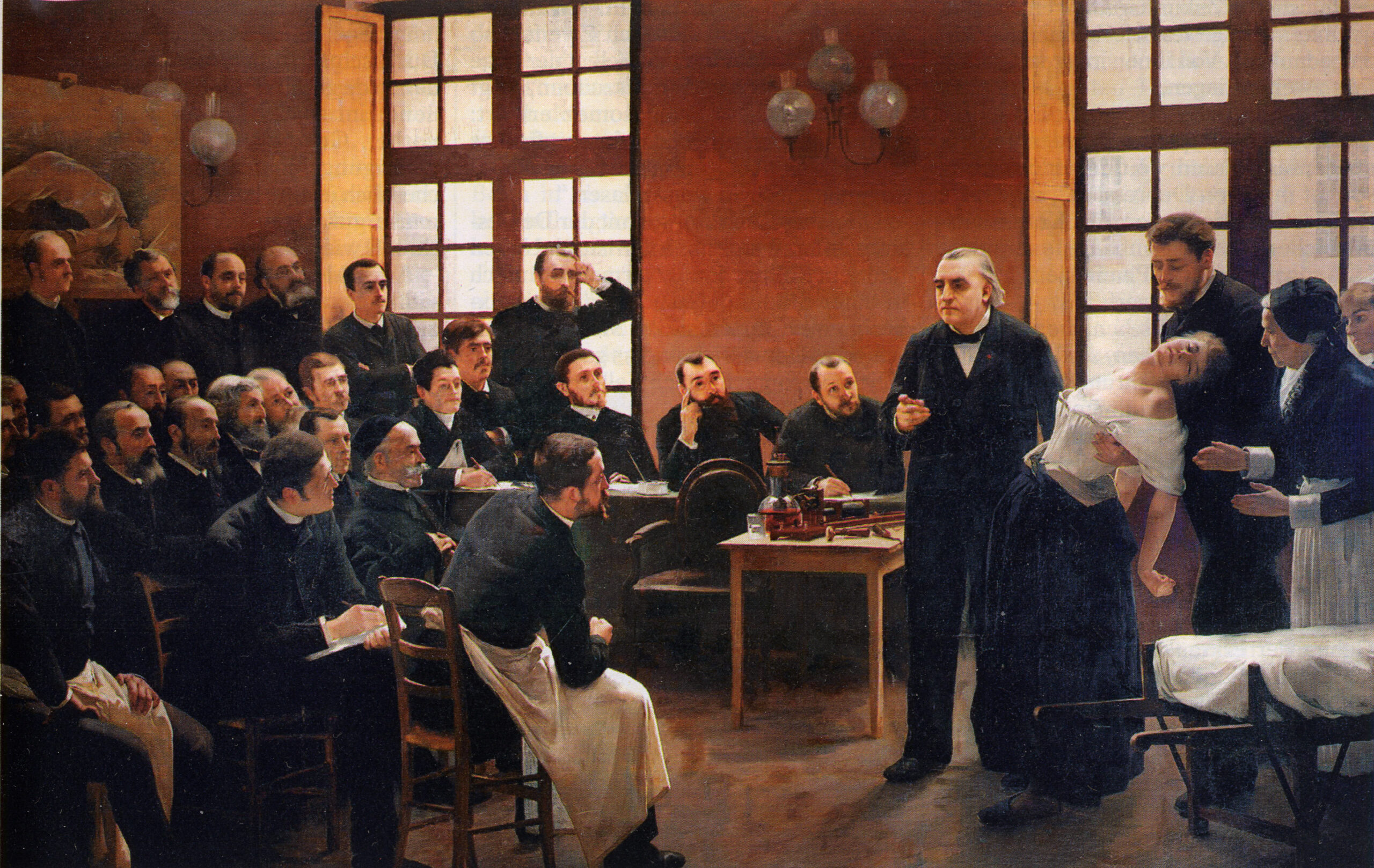
Science now validates what ancient seers intuited. Clinical research shows that hypnotherapy can significantly reduce psychosomatic symptoms—conditions where the mind and body are inseparably linked. Meta-analyses of controlled studies demonstrate measurable improvements in pain management, stress-related disorders, emotional regulation, sleep quality, and trauma recovery. These outcomes are not anecdotes; they are statistically significant results observed across diverse populations. Hypnotherapy works not because it overrides the mind, but because it works with it.
The ancient texts never spoke of neurotransmitters or neural pathways, yet they understood something modern neuroscience continues to confirm: habit does not reside in logic. It resides in impression. The Yoga Sutras describe samskaras as seeds planted by experience, silently shaping behavior until illuminated by awareness. Hypnotherapy does not erase these seeds. It brings light to them, allowing the nervous system to reorganize without struggle.
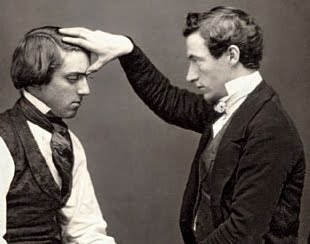
Another story brings this closer to home for many women. A woman spent years trapped in patterns she could explain but not escape—self-sabotage, chronic guilt, emotional eating, attraction to emotionally unavailable partners. Therapy helped her analyze her past, but insight alone did not dissolve the behavior. She understood her wounds intellectually, yet her body repeated the same story. During a hypnotherapy session, imagery emerged—not as literal memory, but as symbol. A recurring theme of abandonment surfaced, not to retraumatize her, but to be witnessed without judgment. In that witnessing, something softened. The emotional charge dissolved. Choices that once felt impossible became natural. This is not control—it is release.
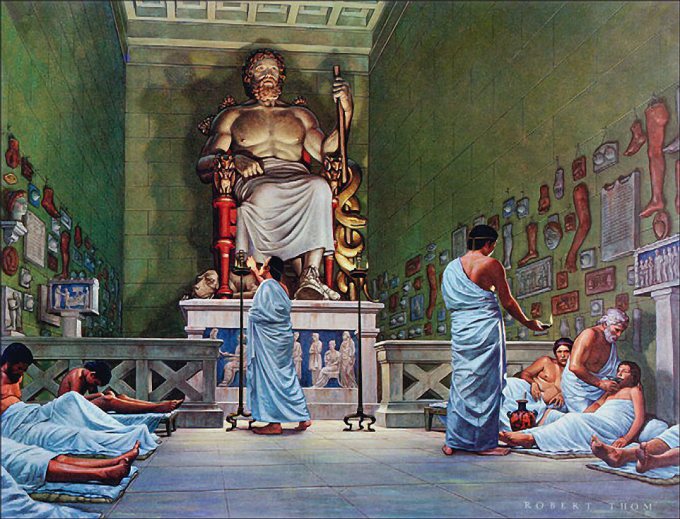
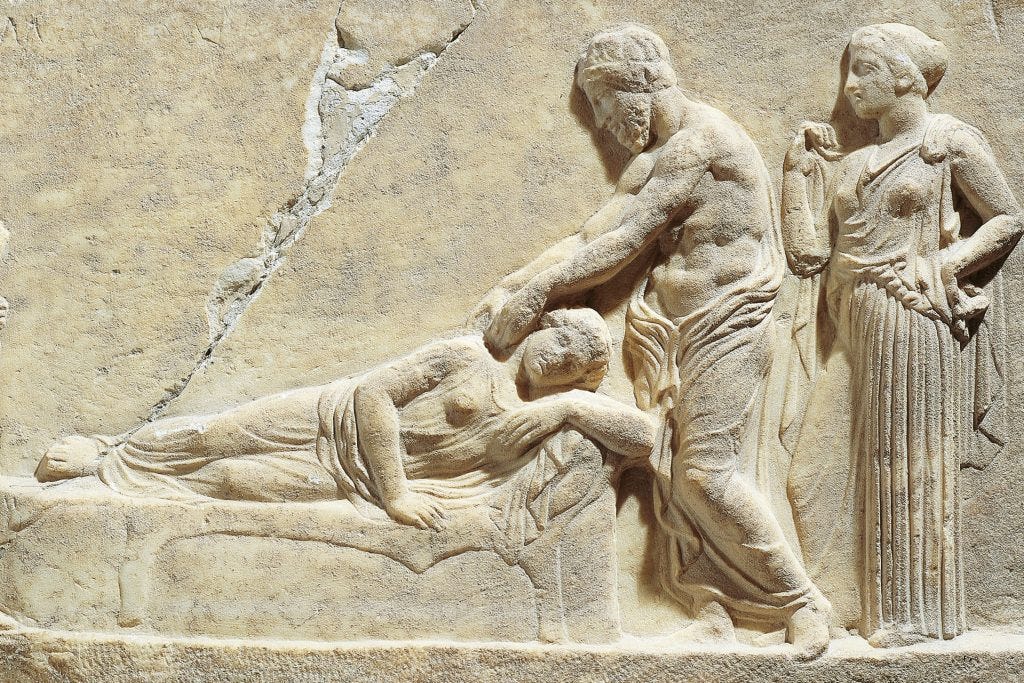
In ancient Greece, healing sanctuaries called Asclepieia used a practice known as incubation (ἐγκοίμησις, enkoimesis), where supplicants slept in sacred chambers hoping for dream-based healing communications from the god Asclepius. Priests facilitated a trance-like receptivity with ritual, prayer, and sensory preparation — an early form of guided suggestive state. Moreover, healer-seers known as iatromantis (“physician-seers”) practiced altered states of consciousness that combined healing, prophecy, and deep inner attention — much like the trance work of hypnotherapy today.
Skeptics often pause here, and rightly so. Hypnotherapy is inseparable from belief and expectation. The placebo effect—long dismissed and now deeply studied—shows that expectation alone can produce measurable physiological and psychological change. Hypnosis and placebo share overlapping mechanisms involving attention, meaning, and expectancy. But this does not weaken hypnotherapy; it explains its power. The mind heals best when it is open. Resistance closes the door. Curiosity opens it.
Importantly, hypnotherapy does not require blind faith. It requires participation. Studies consistently show that openness and therapeutic rapport significantly influence outcomes. This is why hypnotherapy fails when approached with rigid skepticism and succeeds when the mind allows possibility. One cannot reorganize a pattern one refuses to see.
In ancient Mesopotamia, ritual specialists called ašipu performed healing and diagnostic rites that blended incantation, focused verbal formulae, and trance-inducing ritual. While not “hypnosis” by modern definition, these practices centered on directed intention and altered attention to shift a person’s psychological or somatic state — a functional analogue to suggestion-based healing.
This same principle applies to the most controversial aspect of hypnosis: past‑life regression. From a strict scientific standpoint, memories accessed under hypnosis are not reliable historical records; they are shaped by imagination, culture, symbolism, and suggestion. Yet dismissing regression entirely misses its potential therapeutic value—not as literal recall of past lives, but as a symbolic language of the subconscious. I do not recommend past‑life regression to a skeptical mind, because for it to work in this way a person needs at least openness to the possibility of past life experience rather than rigid disbelief. For example, a subject might report that they were a red bird flying; in symbolic terms, red can represent passion and vitality, while a flying bird may signify a deep desire for freedom or success in creative expression. That metaphor then becomes a doorway into hidden talents and unmet aspirations that the psyche has carried as pain or tension. Once these symbolic pains are brought into awareness in a safe and nonjudgmental setting, they can dissolve simply by being seen.
A compelling modern reference to this symbolic and therapeutic approach is Many Lives, Many Masters by psychiatrist Dr. Brian Weiss. In the book, Weiss documents unexpected past-life imagery that emerged during clinical hypnosis with a patient suffering from severe anxiety—imagery that coincided with measurable emotional relief when processed symbolically rather than literally. While controversial, the work is often cited not for proving reincarnation, but for illustrating how regression-style narratives can unlock deep emotional healing when the subconscious is given a language it understands. The value, once again, lies not in historical accuracy, but in transformation.
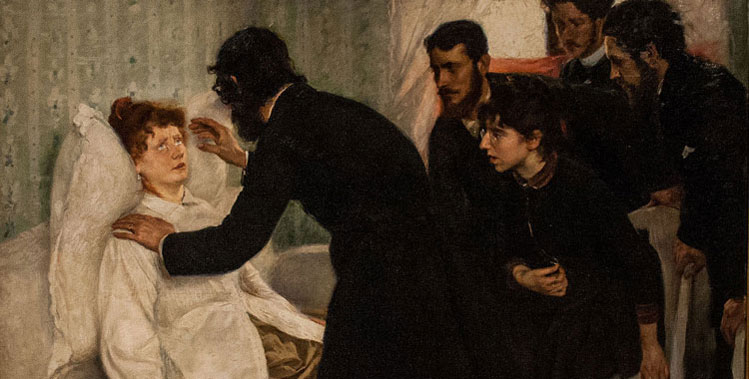
From a scientific perspective, the mechanisms involved here overlap substantially with the placebo effect—the phenomenon whereby a person’s expectation and belief in a treatment can produce measurable changes in physiology and psychology. Studies show that placebo effects engage real brain systems (including opioid and dopamine pathways) and can modulate emotion, pain, and anticipation of relief, with outcomes influenced by expectation, prior experience, and learning processes in the brain. What this means for hypnosis and regression is straightforward: belief matters. To the extent that a person expects insight or change, the brain’s own regulatory systems can facilitate that change. If someone approaches past‑life work with rigid disbelief or outright skepticism, the necessary psychological conditions for a therapeutic response simply aren’t present. In other words, from the science point of view, there must be some openness and some expectation for the process to produce meaningful subjective change, even if the “past life” details are symbolic rather than factual.
Ancient scriptures understood this symbolic language intimately. The Upanishads spoke of layered existence—the physical body, the energetic sheath, the mental field, the intuitive intelligence—each influencing the other. Modern hypnotherapy translates this ancient insight into a therapeutic framework. It does not promise enlightenment. It offers relief. Clarity. Agency.
For those who have suffered for years—addiction, chronic stress, emotional loops that defy logic—hypnotherapy can feel like the first language the mind truly understands. Not discipline. Not force. Awareness.
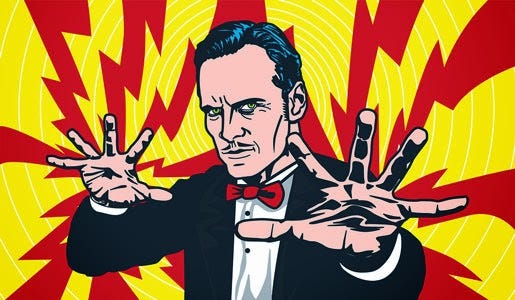
I would describe hypnotherapy as a form of ‘forced guided meditation,’ where the therapist leads the patient into a deep, transcendental state—equivalent to meditation—allowing habitual impressions to surface and dissolve in pure awareness. Hypnotherapy and past-life regression sessions are available at Harion Ravens Wellness Center, both online worldwide and in-person. Click here to book a session.
Ancient sages said liberation begins when ignorance dissolves. Modern science says healing begins when the nervous system feels safe enough to change. Between these two truths lies hypnotherapy—a bridge between ancient insight and contemporary understanding—where even the most stubborn habits can finally loosen their grip, not because they were fought, but because they were finally seen.
By Harion Ravens